Dryer fires are more common than most people think, and many are preventable with routine care. According to U.S. fire data, clothes dryers are involved in thousands of residential fires each year, and one of the most commonly cited contributing factors is failure to clean them. Understanding how a clean-laundry appliance can become a fire hazard makes it clear why a regular cleaning matters so much.
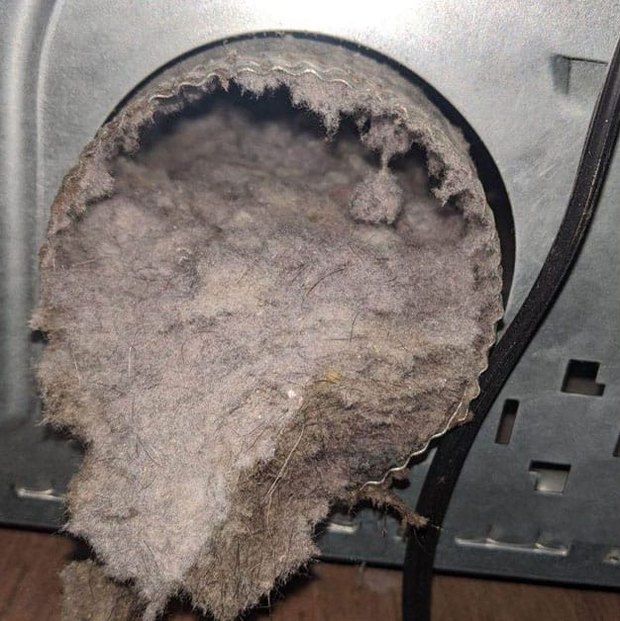
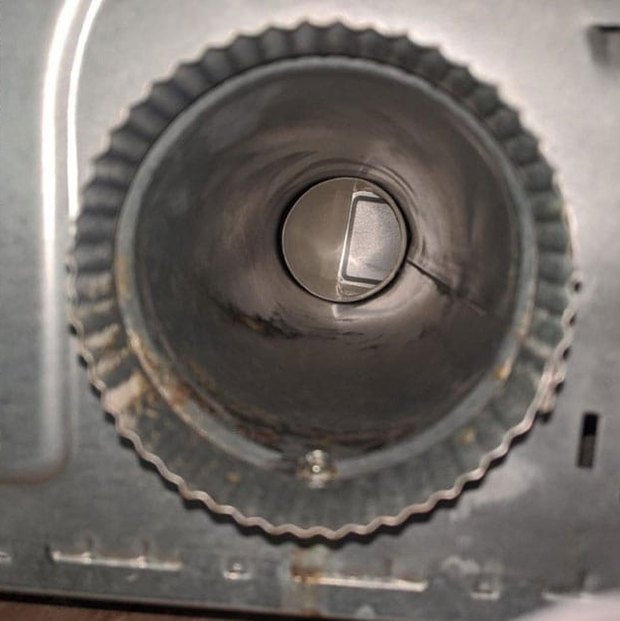
How lint buildup can start a fire
Lint is essentially fine, dry fiber — one of the easiest materials there is to ignite. As it accumulates in the vent duct, it does two dangerous things at once:
- It restricts airflow. The dryer can't push hot, moist air out, so heat builds up inside the machine and the duct.
- It provides fuel. That trapped heat now has a highly flammable material sitting right in its path.
When heat has nowhere to go and flammable lint is packed around it, the conditions for ignition are in place. The hottest spot is near the dryer's heating element — which is why a burning smell during a cycle is a warning you should never ignore.
The warning signs that it's become a risk
A vent doesn't go from fine to dangerous overnight. The signals line up with the symptoms of any clogged vent, just taken more seriously:
- Clothes taking multiple cycles to dry
- The dryer or laundry room becoming very hot during use
- A hot, dusty, or burning smell while the dryer runs
- Weak or no airflow at the exterior vent hood
We break these down in detail in 7 signs your dryer vent is clogged. If you're seeing them, treat the vent as a priority, not a someday task.
How a cleaning removes the risk
A thorough cleaning restores full airflow and removes the fuel. When the duct is clear end to end, heat and moisture exhaust the way they're supposed to, the dryer runs cooler, and there's no packed lint for heat to ignite. That's the whole point of doing it on a schedule rather than waiting for a problem.
Other ways to protect your home
- Clean the lint screen after every load. It's the simplest habit and it protects airflow between cleanings.
- Use rigid or semi-rigid metal duct, not foil or vinyl. Flexible plastic duct sags, traps lint, and is itself more flammable. If you have it, consider upgrading the duct.
- Don't run the dryer overnight or while you're out if it's overdue for cleaning or showing warning signs. Running it only when someone's home is a sensible precaution.
- Keep the area around the dryer clear of boxes, clothing, and other combustibles.
The bottom line
Dryer fires are frightening precisely because so many are preventable. A clear vent, a clean lint screen, and metal duct go a long way toward reducing the risk. If it's been a while — or you're seeing any of the warning signs — request a free quote and we'll make sure your vent is clear.
Fire safety can be a sensitive topic. This article is general information about preventing dryer fires; if you ever suspect an active fire hazard in your home, stop using the appliance and contact a qualified professional or your local fire department.